Microsoft Leads AI-Augmented Code Modernization: Insights from Gartner’s 2026 Magic Quadrant
Microsoft Leads AI-Augmented Code Modernization: Insights from Gartner’s 2026 Magic Quadrant
Date: 2026-08-07
Discover how Microsoft earned its spot as a Leader in Gartner’s 2026 Magic Quadrant for AI-Augmented Code Modernization tools and what sets its approach apart.
Tags: ["Azure", "AI Foundry", "Code Modernization", "Cloud Native", "Copilot"]
In the fast-evolving world of software development, modernizing legacy codebases has become a critical challenge for enterprises striving to stay competitive and agile. Traditional modernization approaches are often expensive, slow, and prone to errors. Enter AI-augmented code modernization—an innovation that leverages artificial intelligence to accelerate code transformation, improve quality, and reduce risk.
Microsoft's recognition as a Leader in the 2026 Gartner® Magic Quadrant™ for AI-Augmented Code Modernization Tools validates its cutting-edge investment in AI-powered modernization solutions. This accolade highlights Microsoft’s commitment to combining AI models, comprehensive cloud services, and developer tooling to transform how organizations evolve their applications for the cloud-native era.
In this post, we'll explore the problem domain Microsoft is addressing, how Microsoft's AI-driven modernization platform works, why it stands apart, and the real-world results customers are seeing. Along the way, we'll visualize the architectural overview and dig into the technical depth behind the platform's success.
Architecture Overview
┌───────────────────────────────────────────┐
│         Enterprise Legacy Systems          │
├───────────────────────────────────────────┤
│  • Monolithic applications                  │
│  • Outdated languages & frameworks          │
│  • Manual, error-prone modernization tasks │
└───────────────────────────────────────────┘
               ↓
┌───────────────────────────────────────────┐
│         Microsoft AI-Augmented Platform    │
├───────────────────────────────────────────┤
│  • AI Foundry (Copilot powered models)     │
│  • Agentic Code Modernization Automation   │
│  • Cloud-Native Transformation Tools       │
│  • Azure Developer Toolchain Integration    │
└───────────────────────────────────────────┘
               ↓
┌───────────────────────────────────────────┐
│             Modern Cloud Apps              │
├───────────────────────────────────────────┤
│  • Containerized microservices             │
│  • Scalable, maintainable codebases        │
│  • Optimized for Azure & hybrid scenarios  │
└───────────────────────────────────────────┘
This architectural flow underscores how Microsoft's AI-powered modernization platform acts as the intelligent bridge between complex legacy systems and the cloud-native architectures organizations need today. AI models analyze and augment source code, automation agents orchestrate safe migrations, and cloud services provide scalable, integrated environments for modern apps.
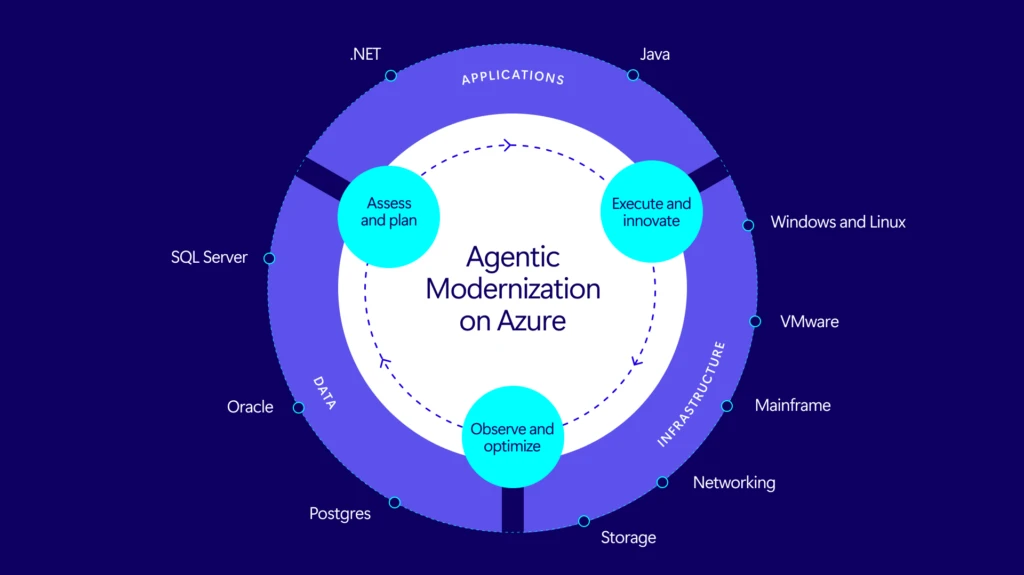
Source: Microsoft Azure Blog – Agentic Modernization on Azure
Key Technical Observations
-
AI-Augmented Code Understanding: Microsoft leverages large language models within Microsoft Foundry and GitHub Copilot to provide deep semantic understanding of legacy code, enabling contextual modernization suggestions instead of syntax-only translations.
-
Agentic Modernization Pattern: The platform uses intelligent agents that coordinate multi-step modernization workflows, combining static analysis, transformation, build, and test phases in an automated, yet controllable manner.
-
Cloud-Native Transformation Toolkit: Integration with Azure Kubernetes Service, Azure Arc, and container registries allows modernized apps to deploy seamlessly into scalable, hybrid, and multi-cloud environments.
-
Seamless Developer Experience: Microsoft folds AI modernization into popular developer tools and pipelines, including Visual Studio, GitHub, and Azure DevOps, reducing friction and accelerating adoption.
-
Robust Evaluation & Feedback Loops: The system includes guardrails and evaluation metrics powered by Azure Machine Learning and observability tooling to ensure modernization quality and compliance.
-
Modalities Beyond Code: The modernization platform doesn’t just transform code syntactically; it also optimizes architecture, security posture, performance, and data layer modernization with Azure Cosmos DB and SQL services.
How It Works: Under the Hood of Microsoft’s AI-Augmented Modernization
Legacy Code Ingestion & Analysis
The journey begins by importing legacy codebases into the Microsoft Foundry environment. AI models powered by Foundry Models and GitHub Copilot read and analyze the code semantically, uncovering architectural patterns, dependencies, and potential modernization pain points.
// Example: Using Copilot to analyze legacy code snippet
// AI suggests replacing deprecated API usage with modern alternatives
const legacyFunction = () => {
  // Copilot offers annotations and replacement suggestions inline
}
This AI-powered analysis goes beyond simple parsing—it understands intent, context, and domain, enabling recommendations that preserve business logic while optimizing for cloud readiness.
Agentic Automation for Code Transformation
Next, agentic workflows orchestrate procedural modernization steps. These agents can invoke refactoring tools, containerization utilities, and evaluation tests in sequence. This approach delivers consistency at scale while allowing engineering oversight.
Agents leverage Azure Functions for scalable task orchestration and utilize Azure DevOps pipelines to automate build and test phases post-transformation. This ensures that modernized code remains functionally equivalent and production-ready.
Cloud-Native Integration & Deployment
Once modernized, the platform supports seamless deployment into Azure’s cloud-native ecosystem. Kubernetes manifests are generated or updated, and services such as Azure Kubernetes Service (AKS), Azure Arc, and Azure Container Registry come into play.
Integrations with Azure Cosmos DB or Azure SQL promote modernization of data layers inline with application code. Observability is baked in via Foundry Control Plane and Azure Monitor, ensuring operational visibility of modernized applications.
Continuous Feedback & Improvement
The platform continuously collects telemetry and modernization outcomes, feeding data back into AI models and evaluation pipelines. This feedback loop improves the accuracy of future recommendations and automatically refines modernization agents over time.
Quick Tips & Tricks
-
Harness AI Models Within Foundry Early — Use Foundry Models to perform semantic analysis before starting manual refactoring; this reveals hidden dependencies that static tools can miss.
-
Leverage Agentic Automation for Consistency — Automate repetitive transformation tasks using Microsoft Foundry Agent Service to reduce errors and speed up modernization workflows.
-
Adopt Cloud-Native Best Practices Alongside Code — Modernize data store access to Azure Cosmos DB or Azure SQL in tandem with code transformations to fully leverage cloud efficiency.
-
Integrate Modernization with CI/CD Pipelines — Embed AI-augmented modernization steps into Azure DevOps or GitHub Actions for automated and repeatable execution.
-
Use Observability Tools to Validate Modernization — Utilize Foundry Control Plane observability and Azure Monitor to verify performance and correctness post-modernization.
-
Combine Copilot With Custom Models — Customize AI modernization suggestions by extending Copilot with domain-specific models via the Foundry platform.
Conclusion
Microsoft's recognition as a Leader in Gartner’s 2026 Magic Quadrant for AI-Augmented Code Modernization tools reflects its innovative union of AI, automation, and cloud-native technologies that empower enterprises to modernize faster and with greater confidence. By embedding AI at every modernization stage—from intelligent code analysis to agentic automation and cloud deployment—Microsoft redefines what modernization means in the cloud era.
As application modernization grows more critical in the years ahead, AI-augmented tools will become indispensable for scaling transformations safely and efficiently. Microsoft’s AI Foundry platform and its rich Azure ecosystem position it excellently to lead and evolve this landscape, making modernization not just feasible but truly strategic.
References
-
Microsoft named a Leader in the 2026 Gartner® Magic Quadrant™ for AI-Augmented Code Modernization Tools — Official Microsoft Azure Blog announcement.
-
Microsoft Foundry — Overview of the AI platform powering Microsoft’s modernization tools.
-
Azure Kubernetes Service (AKS) — Managed Kubernetes integration for cloud-native apps.
-
GitHub Copilot — AI pair programmer that accelerates code transformations.
-
Azure Cosmos DB — Globally distributed, multi-model database service for modernized data layers.
-
Foundry Agent Service — Automation framework component within Microsoft Foundry.
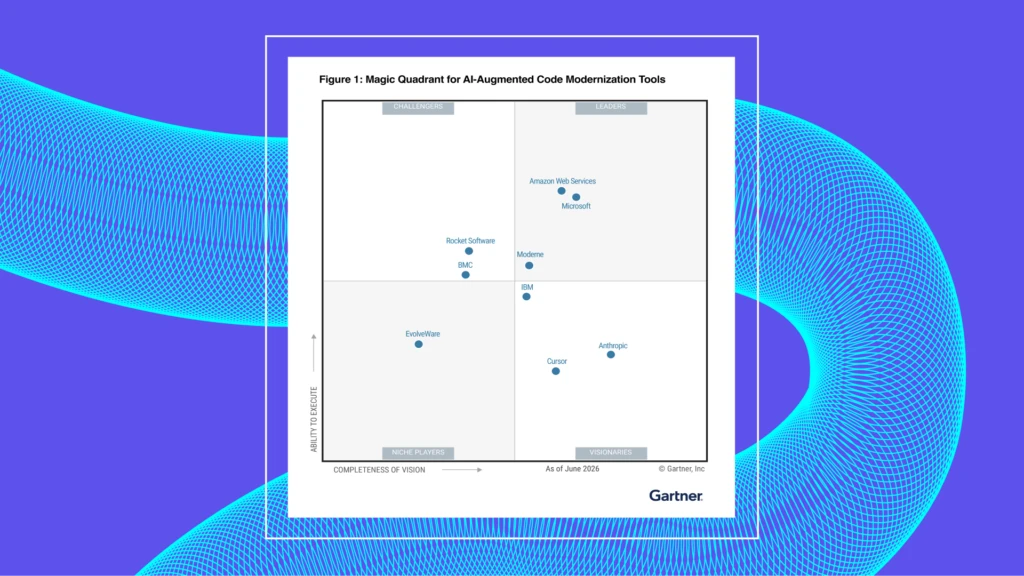
Source: Microsoft Azure Blog – Gartner Magic Quadrant for AI-Augmented Code Modernization Tools

Source: Microsoft Azure Blog – GitHub Copilot

Source: Microsoft Azure Blog – Modern development teams leveraging AI
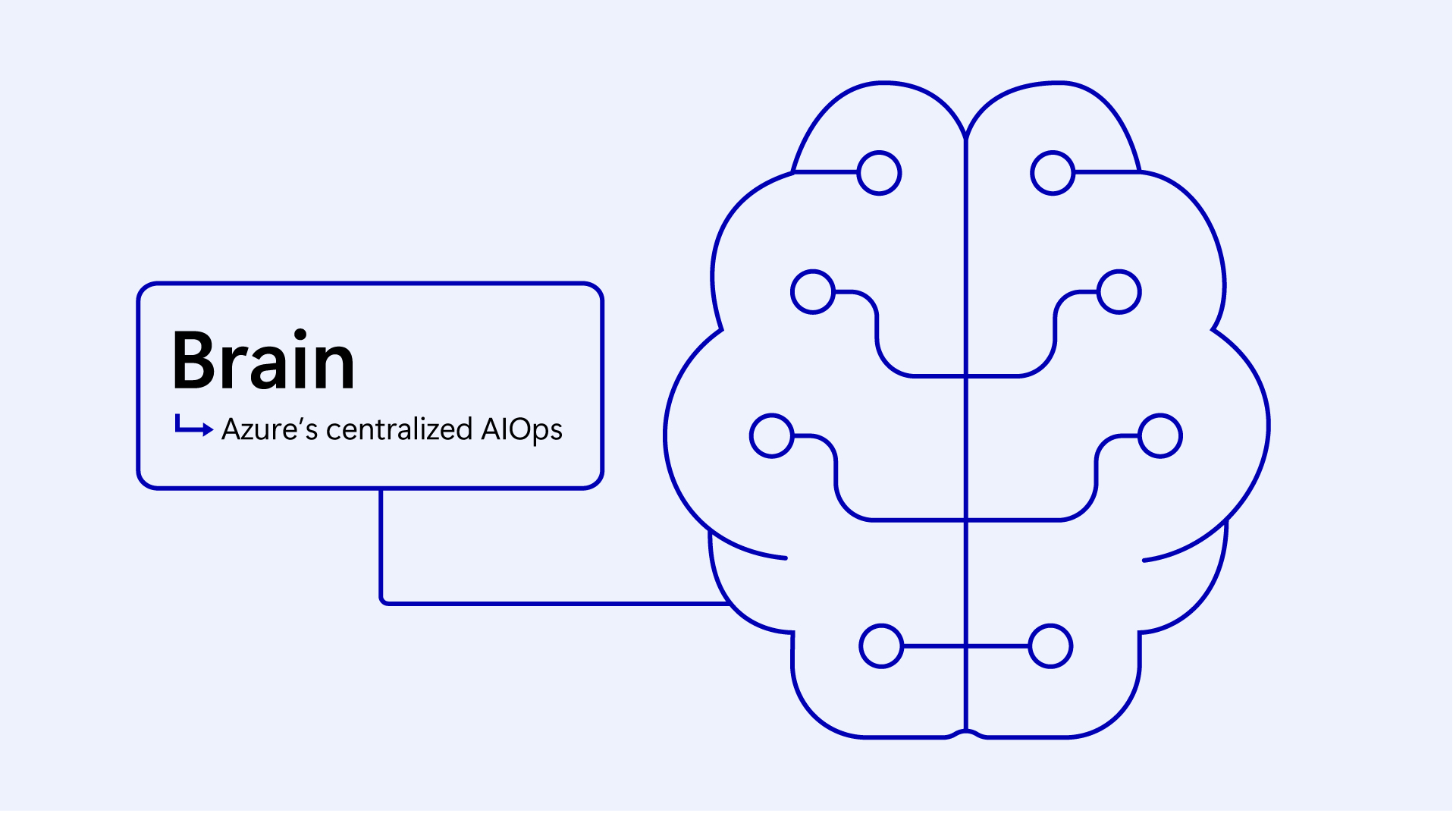
Source: Microsoft Azure Blog – AI for observability and reliability
Source: Microsoft Azure Blog – Advanced AI systems in Foundry